

Psilocybin therapy – the use of the psychedelic compound in magic mushrooms under guided conditions – is experiencing a research renaissance. Scientists are revisiting psilocybin’s potential to treat serious mental health conditions like depression, PTSD, anxiety in life-threatening illness, and even addiction. Early and ongoing studies have reported remarkably positive outcomes, from relief of treatment-resistant depression symptoms to reduced anxiety in terminal cancer patients. There’s also surging interest in microdosing (taking very small doses of psilocybin mushrooms) for well-being. This article reviews what current and past research says about psilocybin’s therapeutic benefits, and why many people are turning to psilocybin for self-improvement. We’ll also discuss how these outcomes are achieved in controlled therapeutic settings and the importance of safety and guidance for anyone considering personal psilocybin exploration.
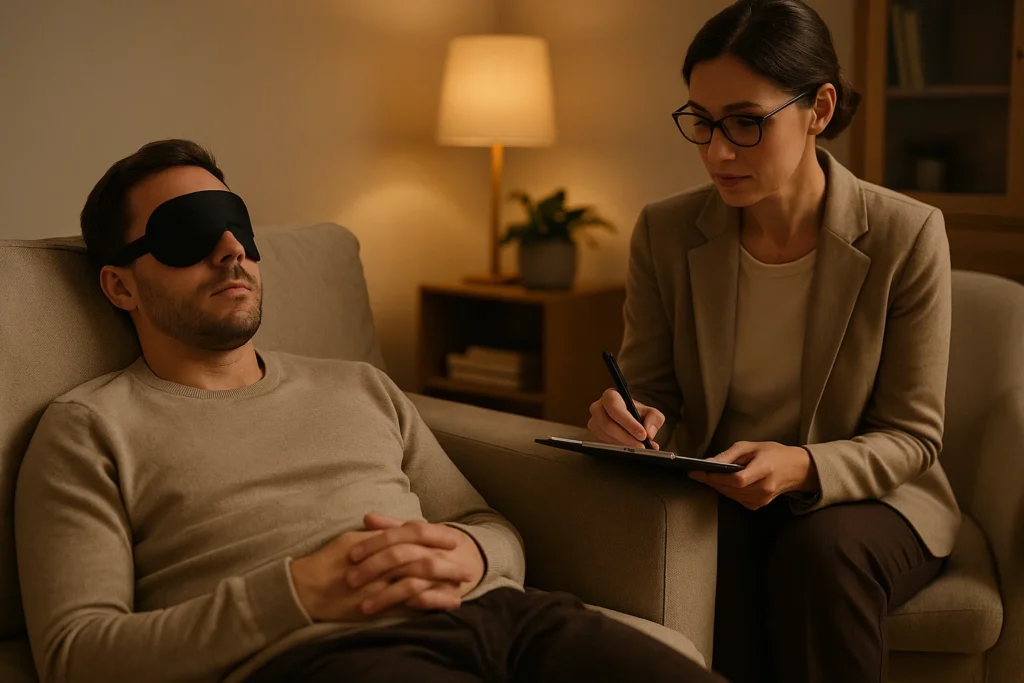
One of the most researched therapeutic uses of psilocybin is for depression, including hard-to-treat cases of major depressive disorder (MDD) that haven’t improved with standard treatments (often called treatment-resistant depression, TRD). Recent clinical studies have yielded striking results. For example, a Johns Hopkins University trial in adults with long-term depression found that just two guided psilocybin sessions (with therapy support) produced rapid and large decreases in depression symptoms, and these improvements persisted at follow-ups 3, 6, and even 12 months later. In that study, average depression scores dropped from the “severe” range before treatment to the “mild” or remission range for most participants after psilocybin therapy. In fact, at the one-year mark, 75% of participants showed a positive response and over half were in remission from depression – an extraordinary outcome compared to traditional antidepressants.
Researchers emphasize that these outcomes occurred under carefully controlled conditions with extensive preparation and therapist support. “Under carefully controlled conditions, [psilocybin] is a promising therapeutic approach that can lead to significant and durable improvements in depression,” notes one Johns Hopkins researcher – but she cautions that people “should not attempt to try it on their own.” In other words, psilocybin’s antidepressant-like benefits are real, but they rely on a psilocybin-assisted therapy model – professional guidance, a safe setting, and integration of the psychedelic experience.
Notably, psilocybin’s antidepressant effects appear fast-acting and long-lasting. Unlike conventional antidepressant drugs that must be taken daily and can take weeks to work, psilocybin (given once or twice) can produce relief within days that lasts for months. Researchers speculate that psilocybin’s ability to induce profound psychological insight and neuroplasticity (brain change, discussed later) may “reset” negative thought patterns in depression. These findings have led some experts to describe psilocybin therapy as a potential “paradigm shift” in treating depression. Major medical centers (including Johns Hopkins and others) are now conducting larger trials, and the FDA has designated psilocybin a “Breakthrough Therapy” for depression to accelerate research.
Internal Link: If you’re interested in how psilocybin compares to other approaches, check out our guide on Microdosing vs Macrodosing: Different Psychedelic Approaches – it explores dosing strategies for therapeutic use.
Another compelling therapeutic use of psilocybin is easing existential anxiety and depression in people facing terminal illnesses (such as advanced cancer). Classic research in the 1960s hinted that psychedelic therapy could help patients come to terms with mortality. Modern studies have now tested this rigorously – with promising results.
In 2016, two landmark randomized controlled trials (at NYU and Johns Hopkins) gave a single dose of psilocybin to patients with life-threatening cancer who had severe anxiety or depression about their diagnosis. The psilocybin was given alongside psychotherapy and careful monitoring. The outcomes were remarkable: about **80% of patients experienced significant relief from anxiety and depression for six months or more after just one psilocybin session. Many reported a reduction in fear of death and an increase in peace, acceptance, and spiritual well-being. In the NYU trial, for instance, one dose of psilocybin “quickly brought relief from distress that then lasted for more than 6 months in 80% of the 29 patients”. These results, published in the Journal of Psychopharmacology, were so robust that they were accompanied by supportive editorials from experts in psychiatry and palliative care.
Patients in these studies not only had fewer psychiatric symptoms, but also described positive life changes: going out more, improved relationships, renewed hobbies, and less focus on the illness. One patient famously said the experience helped them reconceptualize death and reduced their fear, bringing a sense of meaning. Researchers like Dr. Stephen Ross (NYU) have called this “the strongest evidence to date of a clinical benefit from psilocybin therapy” for cancer-related distress. He noted the potential to “transform care for patients with cancer-related psychological distress” if larger trials confirm safety and efficacy.
It’s important to stress that these therapies were done under clinical supervision with extensive counseling. Psilocybin induced powerful, cathartic experiences – often including confrontation of mortality or mystical-type insights – which, in a supportive setting, led to lasting reductions in anxiety and depression about death. The takeaway is that psilocybin-assisted therapy may offer unique relief for existential distress in ways that conventional medications (like sedatives or antidepressants) often cannot, by addressing the spiritual and emotional suffering directly. This has opened the door to exploring psychedelics in hospice or end-of-life care to improve patients’ quality of life.
(For those interested in personal stories, our blog will soon feature interviews with individuals who have used Golden Teacher mushrooms – a popular psilocybin strain – for anxiety relief. In the meantime, our article on preparing for a safe and insightful mushroom trip explains how mindset and environment (“set and setting”) play a key role in positive outcomes.)
Post-Traumatic Stress Disorder (PTSD) is another condition where psychedelic therapy shows potential. PTSD, especially chronic cases, can be very hard to treat – many patients don’t respond fully to therapy or medications like antidepressants. Researchers are intrigued by psilocybin for PTSD because of how this compound affects memory, fear, and emotional processing. Though research is at an earlier stage here (compared to depression or anxiety), initial evidence is promising.
Pre-clinical studies have provided insight into how psilocybin might break the traumatic hold of PTSD. Notably, psilocybin promotes neuroplasticity and new neural connections in brain regions linked to emotion and memory, like the hippocampus. In one University of South Florida study, mice given psilocybin showed enhanced neurogenesis (growth of new brain cells) in the hippocampus and were able to extinguish conditioned fear much better than control mice. In other words, psilocybin helped the brain “unlearn” a fearful response, supporting the hypothesis that it could “break the traumatic cycle” of PTSD memories. This kind of research hints that psilocybin might allow people with PTSD to process and move past traumatic memories by essentially re-wiring some of the fear-based neural pathways.
What about human evidence? While full clinical trials are underway (for example, researchers at Johns Hopkins are currently conducting a controlled trial of psilocybin for PTSD), there have been some early observations. A small open-label study in 2020 on individuals with trauma (in this case, a group of AIDS survivors with PTSD symptoms) found that psilocybin-assisted therapy reduced PTSD symptom severity, as well as related issues like attachment anxiety and demoralization. And in a case series of patients with PTSD who underwent psychedelic therapy, many reported a decrease in nightmares and flashbacks, along with improved mood and coping.
Experts believe that psilocybin’s ability to induce profound psychological insights and break rigid thought patterns could be especially useful for PTSD, where patients are often “stuck” in a loop of traumatic memories. The drug’s effect of temporarily reducing activity in the brain’s default mode network (often hyperactive in PTSD and depression) might allow suppressed emotions to surface and be processed in therapy. Psilocybin also seems to boost emotional receptivity – under its influence, patients can revisit traumatic events with less defensive avoidance, potentially processing them in a new, healing way.
It’s worth noting that MDMA-assisted therapy (with a different psychedelic) is further along in PTSD research, showing dramatic efficacy in trials. Psilocybin is a different experience (more hallucinogenic), but if it can be harnessed similarly, it may broaden the toolkit for trauma therapies. We must temper optimism with caution: PTSD is complex, and a psychedelic experience could be destabilizing without proper support – a “bad trip” might retraumatize someone if done unsafely. That’s why current studies emphasize safe, controlled environments and professional guidance for any PTSD treatment with psilocybin.
If you’re exploring psilocybin on your own for healing trauma, proceed very carefully. Ensure you have a trusted, sober sitter or guide, a comfortable environment, and perhaps start with a low dose or microdose rather than a full psychedelic dose. While formal psilocybin therapy for PTSD awaits approval, many individuals are cautiously self-experimenting – but safety (and awareness of legal restrictions) is paramount. We recommend reading our Microdose Safety Checklist and using only lab-tested products from reputable sources (like PsiloSafe-certified Good Moods) to avoid any dangerous additives or dosage uncertainties.

It may sound surprising, but psilocybin is also being studied as a tool to overcome addictions – including nicotine (smoking) and alcohol dependence. Classic psychedelics have a history of being used in addiction therapy (LSD therapy for alcoholism was studied in the 1950s-60s). Now psilocybin research is reviving that line of inquiry, and early results are impressive, showing higher success rates than conventional treatments in small trials.
A pioneering pilot study at Johns Hopkins in 2014 tested psilocybin-assisted therapy for smoking cessation in long-term smokers who had failed multiple attempts to quit. The approach combined psilocybin sessions with cognitive-behavioral therapy for quitting smoking. The outcomes blew past typical success rates: at a 6-month follow-up, 80% of the participants had quit smoking completely, confirmed by biological tests. For context, the best available medication for smoking (varenicline/Chantix) yields around 35% success at 6 months – so 80% is astonishing. Even after 12+ months, the abstinence rate remained around 60% in that group, far exceeding usual quit rates.
The researchers noted that psilocybin wasn’t a magic nicotine antidote per se, but it helped “reset” the smokers’ perspective on their addiction. Many volunteers reported that the psilocybin sessions (which often included spiritual or insightful experiences) changed their mindset – they no longer felt enslaved by cravings and gained a deep conviction to stay tobacco-free. Matthew Johnson, the lead investigator, famously said this therapy was about “reinventing the self”: smokers saw themselves as non-smokers or developed a new identity, which made quitting stick. Importantly, no participants developed any new addictions; psilocybin is not known to be chemically addictive and has a low toxicity profile.
Encouraged by smoking cessation results, researchers have moved on to alcohol use disorder (AUD). In 2022, the first placebo-controlled trial of psilocybin for alcohol dependence was published in JAMA Psychiatry. It involved 95 patients with alcohol use disorder, all of whom received 12 weeks of psychotherapy; half received two psilocybin sessions (high dose), and half received active placebo (antihistamine) sessions. The results were very promising: over a 32-week period, the psilocybin group dramatically reduced their drinking. Percentage of heavy drinking days dropped to about 9.7% in the psilocybin group versus 23.6% in the placebo group. In plain terms, those who got psilocybin + therapy drank heavily only about 10% of days (on average), compared to 24% for those with therapy alone – a significant improvement. Other measures like average drinks per day also decreased more in the psilocybin group. Impressively, no serious adverse events occurred among the psilocybin patients, suggesting it was well-tolerated with proper oversight.
These findings support earlier smaller studies, such as an open-label pilot in 2015 where psilocybin therapy led to sustained reductions in alcohol misuse over months. Participants often describe the psilocybin experience as helping them confront the reasons behind their drinking and boosting their motivation to change. It seems to work differently than traditional medications (which mainly blunt cravings); instead, psilocybin catalyzes a psychological shift – people might reevaluate their life, experience self-compassion and forgiveness, or feel a spiritual awakening that makes alcohol abuse incompatible with their new outlook. This aligns with a common theme in psychedelic therapy: it’s not treating the substance use disorder biochemically (like a replacement drug would), but rather holistically, by transforming the person’s mindset and relationship to the substance.
While more research is needed (larger trials are ongoing), these early successes have led some addiction experts to say we could be entering a new era where psychedelic-assisted therapy becomes an accepted part of addiction treatment. Imagine treatment clinics where, under medical supervision, people undergo a carefully guided mushroom journey to help break free from alcohol or nicotine – it might sound unconventional, but the science is increasingly backing it up.
Internal Link: Want to learn more about the intersection of psychedelics and breaking bad habits? Read our post on Unlocking the Mind: How Magic Mushrooms May Help with PTSD and Addiction – it covers the therapeutic potential of popular strains like Golden Teacher for trauma and substance issues, along with safety tips.
Beyond full-dose psychedelic therapy, many people are experimenting with microdosing psilocybin – taking very low, sub-perceptual doses of mushroom extracts on a regular schedule. The idea is to reap subtle benefits (improved mood, creativity, focus) without the intense hallucinations. Does microdosing work? Scientific evidence is still emerging, but so far it’s a mixed picture: some studies see hints of benefits, while others suggest any gains might be placebo. Here’s what we know:
A recent 2022 study published in Scientific Reports tracked over 200 participants, comparing those who microdosed psilocybin to a non-dosing control group over 30 days. The microdosers reported small to medium improvements in mood and mental health compared to controls. In particular, they had slightly greater increases in feelings of well-being and reductions in depressive mood over the month. This carefully observed study (which even used a bit of blinding and placebo control in a subset) provides some of the strongest support so far that microdosing isn’t just a placebo – there were measurable differences.
On the other hand, a few placebo-controlled trials (with smaller sample sizes) have found no significant difference between microdosing and placebo on cognitive or emotional outcomes when the participants didn’t know which they were taking. It’s possible that expectation plays a big role and that microdoses may need to be paired with certain activities or mindsets to have an effect.
A review by experts in 2019 noted “more questions than answers” regarding microdosing: many anecdotal claims of enhanced creativity, focus, and mood, but a lack of rigorous data and unknown potential risks. Most users self-report positive outcomes – better concentration, slightly lifted mood, relief from minor anxiety, etc. – but these tend to be subjective. There is also the question of long-term safety: while psilocybin at full doses is considered physically safe (non-toxic, non-addictive), we don’t yet know if frequent microdosing could have any negative effects on the heart or other systems over time (some experts worry about possible heart valve effects, as seen with other drugs affecting serotonin, though no evidence of harm from microdosing has surfaced to date).
Overall, microdosing remains an experimental practice. If you choose to try it, approach it scientifically: keep a journal of your doses and moods, take days off (common protocols are, for example, dosing every third day), and listen to your body and mind. Some people don’t feel anything, some feel subtly “better” or more productive, and a few might feel worse (irritable or anxious – in which case, stop).
At Good Moods, we offer microdose capsules and gummies with precise, lab-tested psilocybin content – e.g., our popular Watermelon Daydream Microdoses contain 0.32g of psilocybin mushroom per capsule, for a gentle effect. We always advise starting low (even half a capsule) to gauge your sensitivity. Remember, even a microdose is psychoactive to a degree, so don’t drive or do dangerous activities if you’re feeling any effects. Many find microdosing a nice way to “boost” mood or creativity during the week, but it’s not a panacea – and it’s absolutely not a treatment for major psychiatric disorders. Those struggling with severe depression or PTSD should seek professional therapy; a microdose isn’t a substitute for proper care (though some integrate it as an adjunct to wellness routines).
You might be wondering how one substance can help such a range of issues – from depression to addiction – and produce long-lasting changes after just a session or two. Research into psilocybin’s mechanism of action reveals a fascinating picture: psilocybin profoundly affects the brain’s neuroplasticity (its ability to change and adapt). It essentially “shakes up” entrenched neural networks and opens a window for new connections and learning.
Studies show that psilocybin (and similar psychedelics) binds strongly to serotonin 5-HT2A receptors in the brain, which leads to increased glutamate release and growth factors like BDNF – all of which can stimulate neural growth and connectivity. Brain imaging of people after psilocybin sessions finds increased functional connectivity between regions that don’t normally communicate, and a temporary disintegration of rigid patterns in the default mode network (the brain’s self-referential circuitry often overactive in depression and rumination). In essence, psilocybin can “reset” over-connected circuits linked to negative thought loops, while opening the door for positive changes in therapy.
A striking 2023 study in Nature demonstrated that psychedelics reopen “critical periods” for emotional learning in the adult brain. Critical periods are developmental stages when the brain is especially plastic and able to acquire new skills (like how young children easily learn languages). In the Johns Hopkins study on mice, a single dose of psilocybin opened a social learning critical period for about two weeks. During that time, the mice were far more receptive to social conditioning (in a positive way) than normal. Other psychedelics had similar effects with varying durations (for instance, MDMA opened the window for around 2 weeks, LSD for 3 weeks, in mice). This research suggests that after a psilocybin experience, there’s a window of opportunity where the brain is especially malleable – therapy or positive life changes implemented during this window may “stick” more effectively.
In practical terms, this could explain why pairing psilocybin with psychotherapy yields such durable benefits: the psychedelic creates a neuroplastic state where patients can reframe negative beliefs, process traumas, or adopt new behaviors much more readily than usual, and those changes become entrenched as the brain “resets” in the following weeks. This is also why integration (the process of reflecting on and working through the insights from a psychedelic session) is considered crucial. The lessons learned during a psilocybin journey, whether it’s self-love, forgiveness, letting go of fear, or the resolve to quit smoking, have a special potency in that post-trip period. It’s advisable to engage in journaling, therapy sessions, meditation, or other supportive practices after a psychedelic experience to capitalize on the brain’s open state. As one researcher put it, the psychedelic experience plus the period afterward is a time to “heal and learn”, much like a physical rehabilitation window after a surgery.
To sum up, psilocybin’s therapeutic impact comes not from masking symptoms like a typical drug, but from catalyzing a transformative internal process. It’s a bit like shaking a snow globe: for a while, the usual patterns (snow resting at the bottom) are disrupted and everything is in flux. In that fluid state, new patterns can emerge as the snow resettles. With proper guidance, those new patterns can be healthier ones – e.g. a life without substance abuse, or a mindset no longer dominated by depression or fear. This neuroplastic “reset” hypothesis is still being studied, but it’s a compelling explanation for the breadth of psilocybin’s reported benefits.
(For a deeper dive into the science, you might read our piece on psilocybin and brain health once published. And if you’re scientifically inclined, check out sources like Frontiers in Neuroscience for reviews on psychedelic-induced neural plasticity. But the key takeaway: psilocybin makes the adult brain more child-like in its ability to change – a powerful property when dealing with habits or emotional wounds.)
Enthusiasm for psilocybin’s benefits must be balanced with safety and responsibility, especially as more individuals consider personal use. While formal clinical therapy is still limited by law (psilocybin remains a Schedule I substance federally in the U.S., meaning it’s illegal outside of research settings), some cities and states have decriminalized personal use of magic mushrooms, and an underground network of guides and retreat centers exists. Many adults are thus exploring psilocybin on their own for self-improvement. If you choose to be one of them, here are critical safety guidelines:
Good Moods is committed to supporting responsible exploration. We pride ourselves on being PsiloSafe Certified (an industry standard for quality and safety in psilocybin product manufacturing). All our mushroom products – from microdose gummies to dried mushrooms – are lab-tested for purity and potency, so you know exactly what you’re getting. We also provide educational resources (like this blog and our guides) to help you make informed decisions. Your well-being is our priority.
Finally, remember that psilocybin can be a powerful ally for personal growth, but it’s not a cure-all or a guaranteed “quick fix.” The research is very encouraging: under the right conditions, psilocybin has helped people find relief from depression, conquer addictions, overcome fear, and spark creativity. Yet, it works best as one part of a holistic approach to wellness. That might include therapy, healthy lifestyle changes, mindfulness practices, and community support. Use psilocybin respectfully – as one tool among many on your journey to a good mood and a good life.
Q1: What are the therapeutic uses of psilocybin?
A: Psilocybin (the compound in “magic mushrooms”) is being studied for a range of mental health uses. Research shows psilocybin therapy (with guided sessions) can help treat depression, including hard-to-treat cases. It has also reduced anxiety and fear of death in terminally ill patients. Early studies suggest potential benefits for PTSD and for overcoming addictions like smoking and alcohol dependence. Additionally, many people microdose psilocybin to potentially boost mood and creativity, though microdosing’s efficacy is still being researched. All these uses are pursued in controlled settings to maximize safety and positive outcomes.
Q2: How does psilocybin treat depression?
A: Psilocybin appears to work differently than standard antidepressants. In clinical trials, a one-time psilocybin session with therapy often leads to a rapid decrease in depressive symptoms. The drug induces a profound, often insightful experience that can “reset” negative thought patterns. Brain scans show psilocybin increases neuroplasticity and connectivity in the brain, essentially allowing people to break out of rigid, depressive thinking. Many patients report gaining new perspectives, such as self-compassion or a sense of connectedness, that relieve depression. Notably, benefits can last for months after just one or two doses. However, psilocybin’s antidepressant effect relies on the therapy context – the supportive setting and integration help turn the psychedelic experience into lasting positive change.
Q3: Can psilocybin help with PTSD or trauma?
A: It might, though research is still in early stages. Psilocybin is thought to help with PTSD by dulling the grip of traumatic memories and boosting emotional processing. Animal studies showed psilocybin promoted new brain cell growth and helped mice “unlearn” fear responses. In humans, there are reports that guided psilocybin sessions allowed individuals to confront and heal from trauma in ways traditional therapy hadn’t achieved. Some felt a release from painful memories or a new understanding of their experiences. That said, psilocybin therapy for PTSD is experimental – formal trials are underway. Experts stress that anyone with PTSD should only use psychedelics in a controlled, therapeutic setting (an improper setting could actually worsen trauma). MDMA therapy is further along for PTSD, but psilocybin is very promising and may be approved in the future if studies continue to show positive results.
Q4: Is psilocybin therapy safe and legal?
A: Safety: When used responsibly in research or ceremonial settings, psilocybin has a good safety record. It’s non-addictive and physically well-tolerated (no fatal overdose risk). The biggest risks are psychological – such as a “bad trip” (an intense bout of anxiety or confusion) – which is why set and setting and having a sober guide are so important. There can be temporary side effects like increased blood pressure, dizziness, nausea, or headaches, but serious complications are rare. People with certain mental or cardiac conditions should avoid it or use only under medical supervision.