

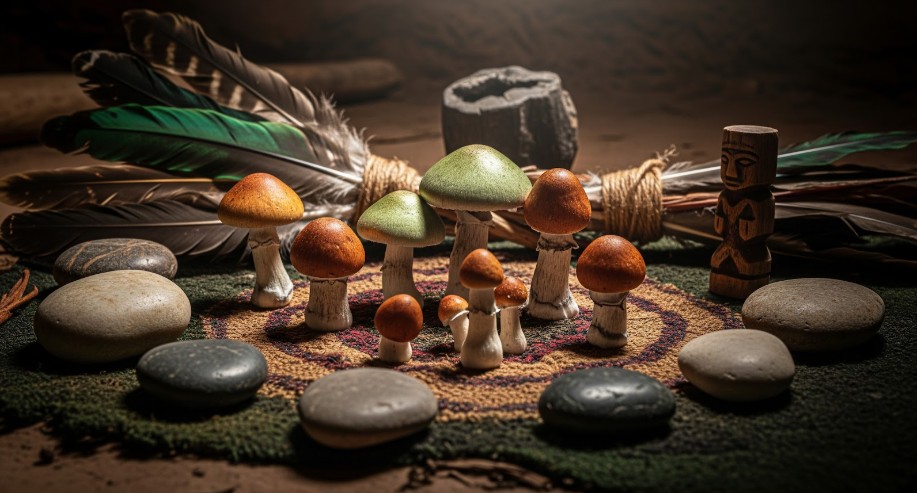
Magic mushrooms have a history that stretches back thousands of years. Indigenous peoples around the world have used psilocybin mushrooms in shamanic rituals, healing ceremonies, and spiritual practices.
These shamanic mushrooms were seen as gateways to the divine, offering insights, guidance, and connection to the natural and spiritual worlds. Across cultures, their use was carefully guided and deeply respected.
Western awareness of these fungi began in the 1950s, largely thanks to R. Gordon Wasson. On a trip to Mexico, Wasson participated in indigenous mushroom ceremonies and documented his experiences.
His 1957 publications in mainstream media introduced magic mushrooms to a curious Western audience. Wasson’s accounts revealed not just their psychoactive effects but also the rich cultural and spiritual contexts in which they were used, sparking fascination among scientists, writers, and the general public.
By the 1960s, psilocybin mushrooms had moved beyond academic or ethnographic interest. They became symbols of a broader counterculture movement, representing exploration, liberation, and alternative consciousness.
Artists, musicians, and youth culture embraced magic mushrooms as tools for expanding perception and challenging societal norms. This period cemented their place not only in psychedelic history but also in the cultural imagination as icons of experimentation, creativity, and spiritual curiosity.
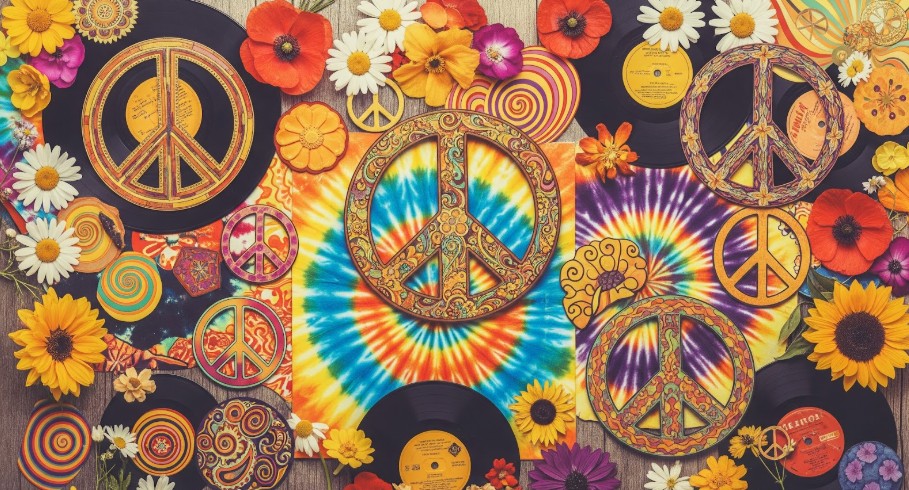
The 1960s counterculture was a sweeping youth movement challenging traditional norms, authority, and conventional lifestyles. Against the backdrop of the Vietnam War, young people sought alternative ways of living, exploring peace, love, and social change.
They rejected rigid 1950s social structures and consumer culture, embracing communal living, activism, experimental art, and recreational drug use as forms of self-expression and rebellion.
Psychedelic mushrooms, especially those containing psilocybin, became central to this movement. Researchers and public figures like Timothy Leary and Richard Alpert (later known as Ram Dass) at Harvard conducted early studies documenting psilocybin’s effects on human consciousness.
The Harvard Psilocybin Project encouraged responsible use of these substances to expand perception, foster spiritual insight, and explore consciousness. Leary’s advocacy, combined with earlier ethnobotanical discoveries and indigenous knowledge, helped bring psilocybin mushrooms into mainstream youth awareness and culture.
The influence of psychedelic mushrooms extended well beyond personal experiences. They inspired a wave of new artistic expression, from vivid, surrealistic psychedelic art to music and literature that challenged traditional aesthetics.
Bands like The Beatles incorporated psychedelic sounds and themes, while visual artists explored vibrant, mind-bending designs reflecting hallucinatory experiences. This creative explosion became a hallmark of the 1960s cultural revolution, linking mushrooms to broader social and artistic experimentation.
Psychedelic mushrooms also came to symbolize freedom, spiritual exploration, and defiance of convention. For the hippie movement, they offered a tool to break societal constraints, encourage introspection, and explore mystical or spiritual dimensions.
By the end of the decade, psilocybin mushrooms were firmly embedded in the counterculture ethos, leaving a lasting impact on contemporary art, music, and spiritual practices.

By the late 1960s, the psychedelic movement faced growing public fear and political backlash. Psilocybin mushrooms, once celebrated as tools for spiritual exploration, became linked with youth rebellion, anti-establishment sentiment, and social unrest.
Cultural conservatives and political leaders amplified concerns, portraying these substances as dangerous threats to public order. This environment set the stage for restrictive drug policies that would define the next decades.
Legally, the backlash culminated with the Controlled Substances Act of 1970 in the United States. Psilocybin and related psychedelics were classified as Schedule I drugs, labeled as having no accepted medical use and a high potential for abuse. This effectively criminalized their possession, distribution, and research.
Similar prohibitive measures spread globally, shutting down mainstream scientific inquiry and pushing psychedelic use underground. Researchers who had begun to study psilocybin’s therapeutic potential were forced to halt studies, delaying clinical progress for decades.
The societal shift profoundly altered public perception. Psychedelic mushrooms went from being symbols of mystical insight and cultural experimentation to stigmatized “dangerous drugs.” This stigma reinforced the war on drugs, shaping public discourse and policy through the 1970s and beyond.
The mushroom counterculture, which had thrived on exploration and communal sharing, largely disappeared from mainstream culture. Only recently have clinical research initiatives and decriminalization efforts begun to challenge these long-standing narratives.
Psilocybin prohibition left a lasting mark, demonstrating how cultural fear and political agendas can override scientific and spiritual exploration. Understanding this history provides essential context for the modern resurgence of interest in psychedelics and ongoing discussions about their therapeutic and cultural value.
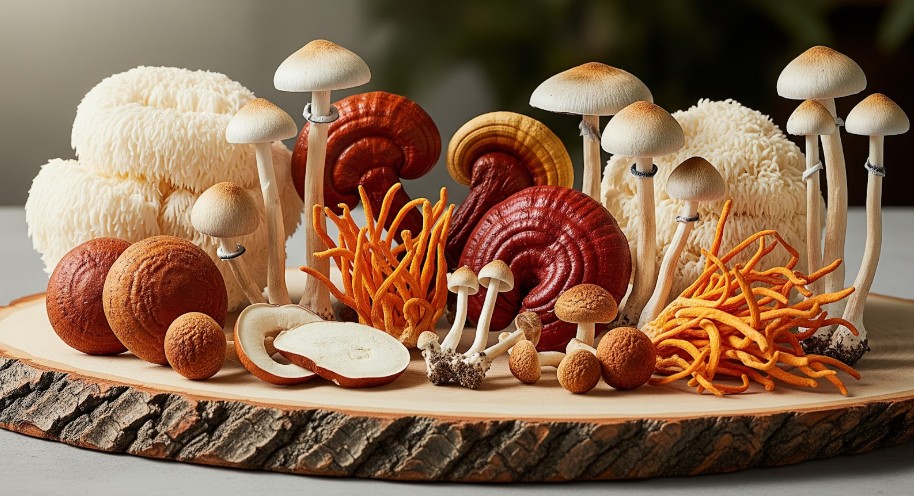
Although psilocybin mushrooms were criminalized in the 1970s, the ideas and cultural energy sparked by the 1960s counterculture have endured. Concepts such as expanded consciousness, spiritual curiosity, and questioning societal norms left a lasting imprint on art, music, literature, and alternative lifestyles.
Psychedelic mushrooms, emblematic of this era, became enduring symbols of exploration, creativity, and personal freedom, resonating across generations and inspiring continued fascination with altered states of mind.
In recent decades, a “psychedelic renaissance” has emerged. Scientific interest in psilocybin and other psychedelics has surged, highlighting their therapeutic potential for mental health conditions like depression, anxiety, and PTSD.
Research studies are now reassessing substances once stigmatized, recognizing their capacity for healing and consciousness expansion. Microdosing, taking tiny amounts of mushrooms for enhanced mood, focus, or creativity, has surged, paralleling wider trends of integrating natural psychedelics into wellness.
This renaissance demonstrates that the boundaries around psychedelics have remained porous: substances once relegated to the underground are now re-evaluated as tools for personal growth, spiritual exploration, and health.
Psychedelic mushrooms today sit at the intersection of historical legacy, scientific inquiry, and lifestyle interest, bridging the gap between countercultural experimentation and contemporary wellness trends.
Mushrooms, historically, therapeutically, or via microdosing, offer a window into consciousness, nature, and self-discovery. Stores like Good Moods support this exploration, emphasizing natural products, mindful living, and responsible engagement with psychedelics. By connecting past and present, the legacy of psilocybin continues to shape culture, research, and wellness practices today.